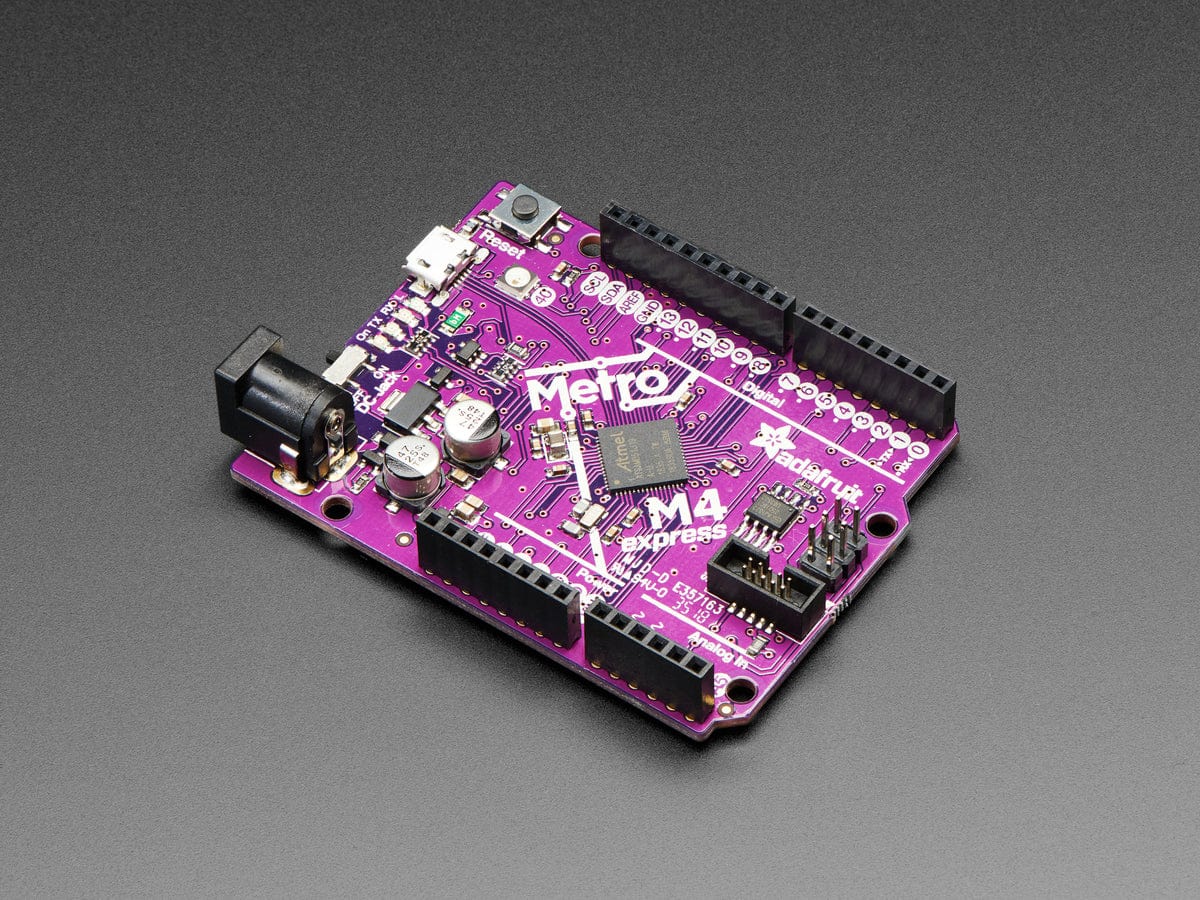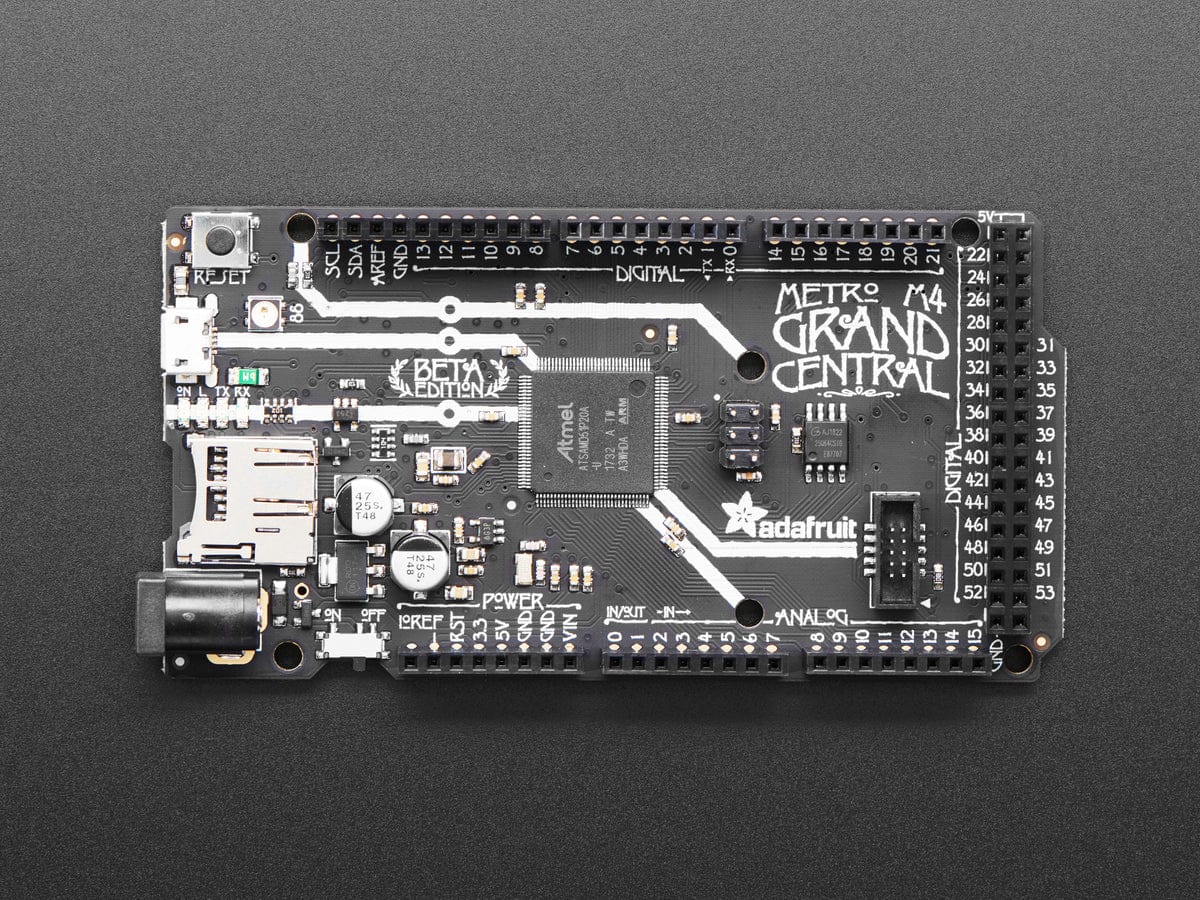
Adafruit METRO 328 with Headers
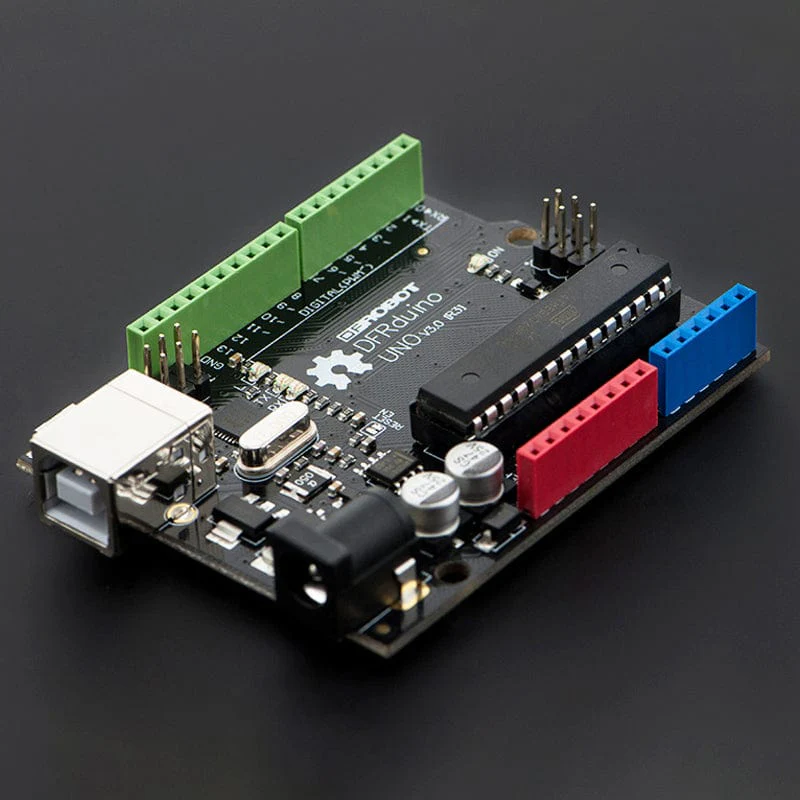
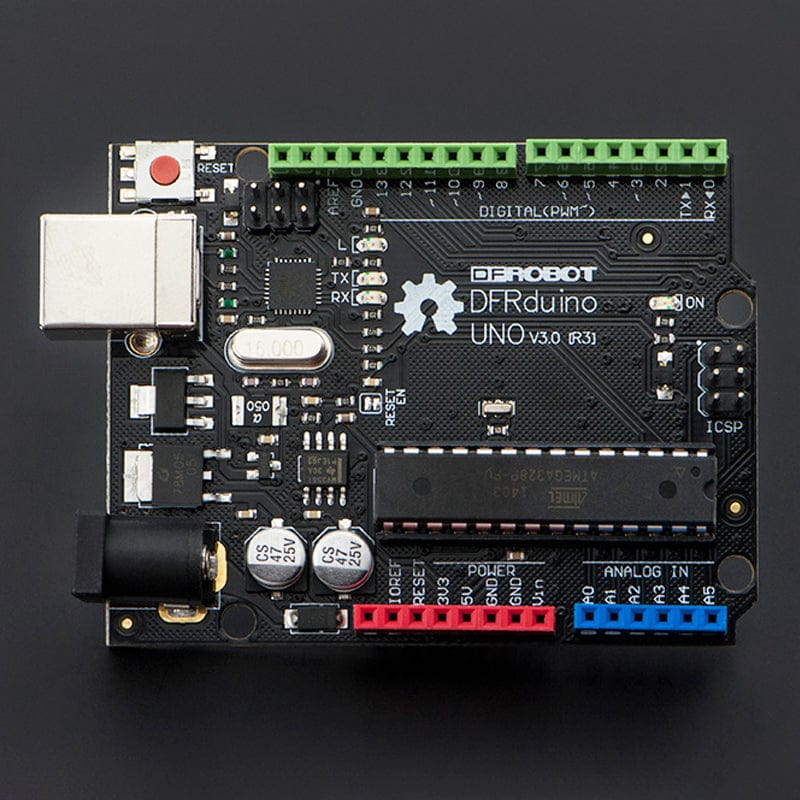
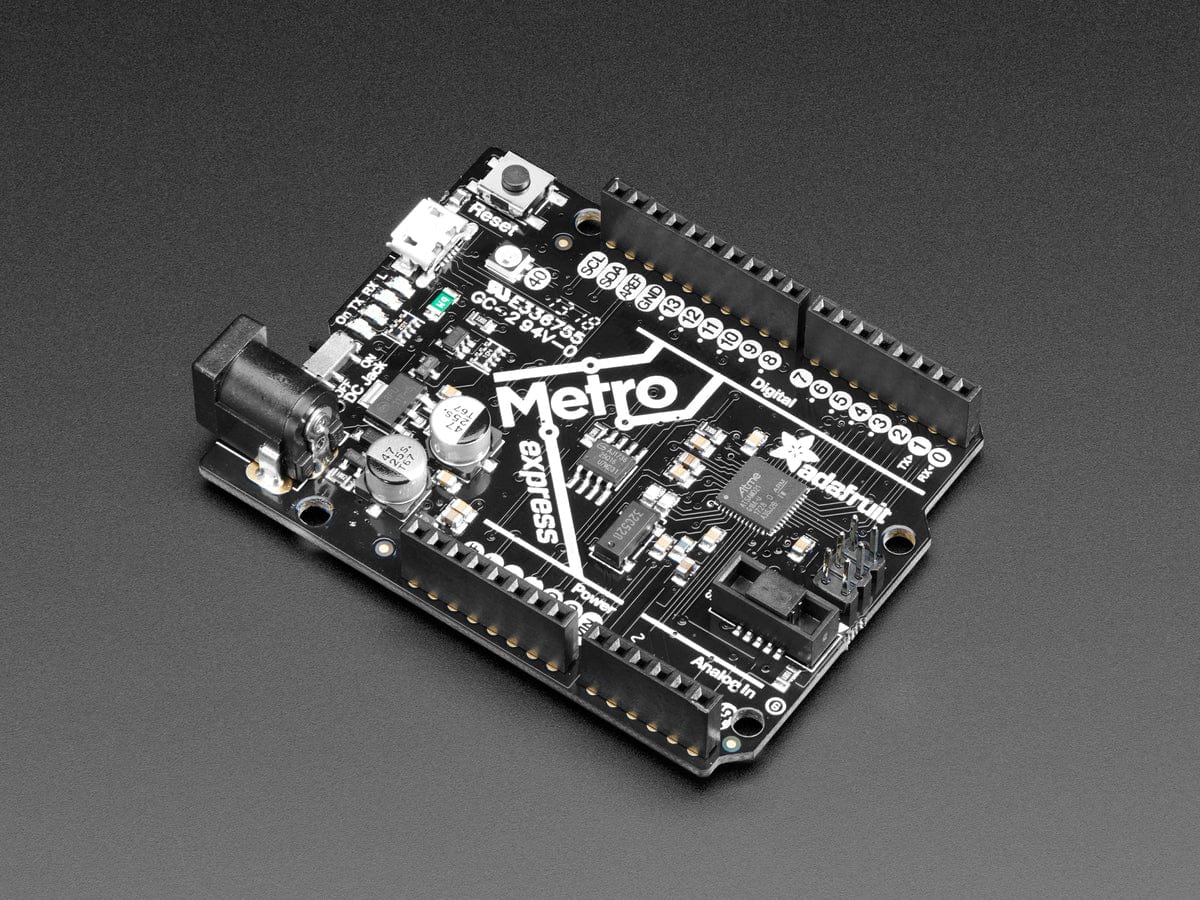
The Adafruit METRO (with headers) is an Arduino UNO R3–compatible ATmega328P board running at 16MHz with Optiboot pre-installed. Power it via micro USB or 7–9V DC, with built-in USB-serial, debugging LEDs and full shield support.
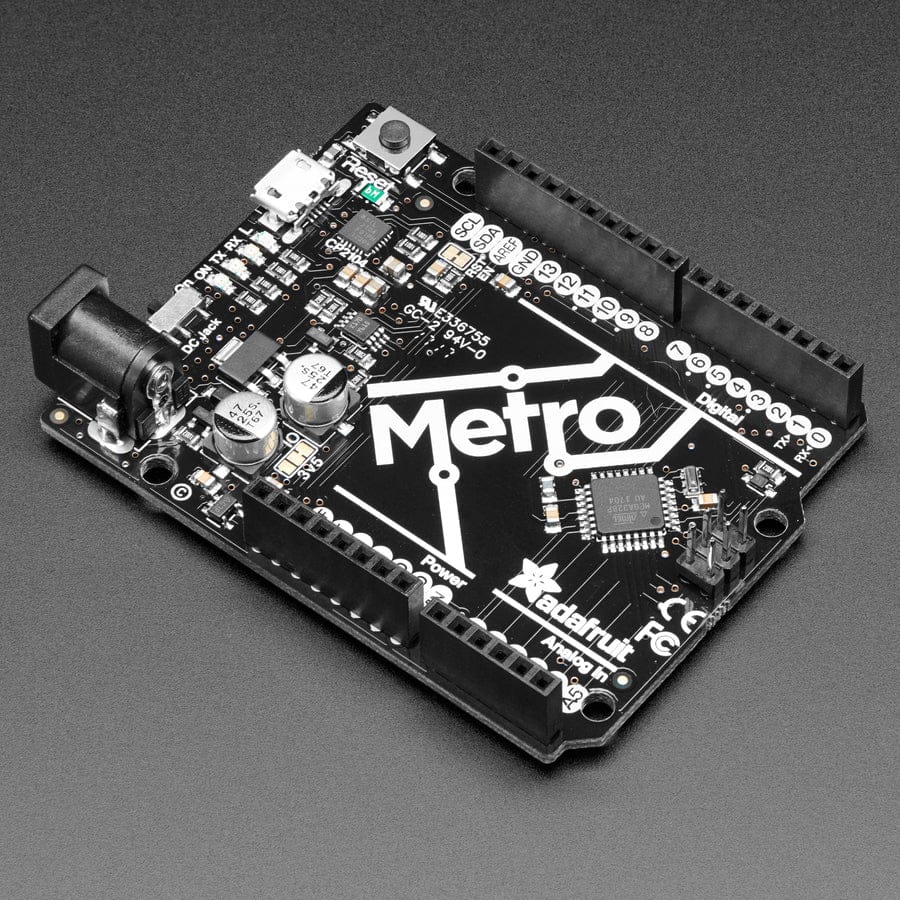
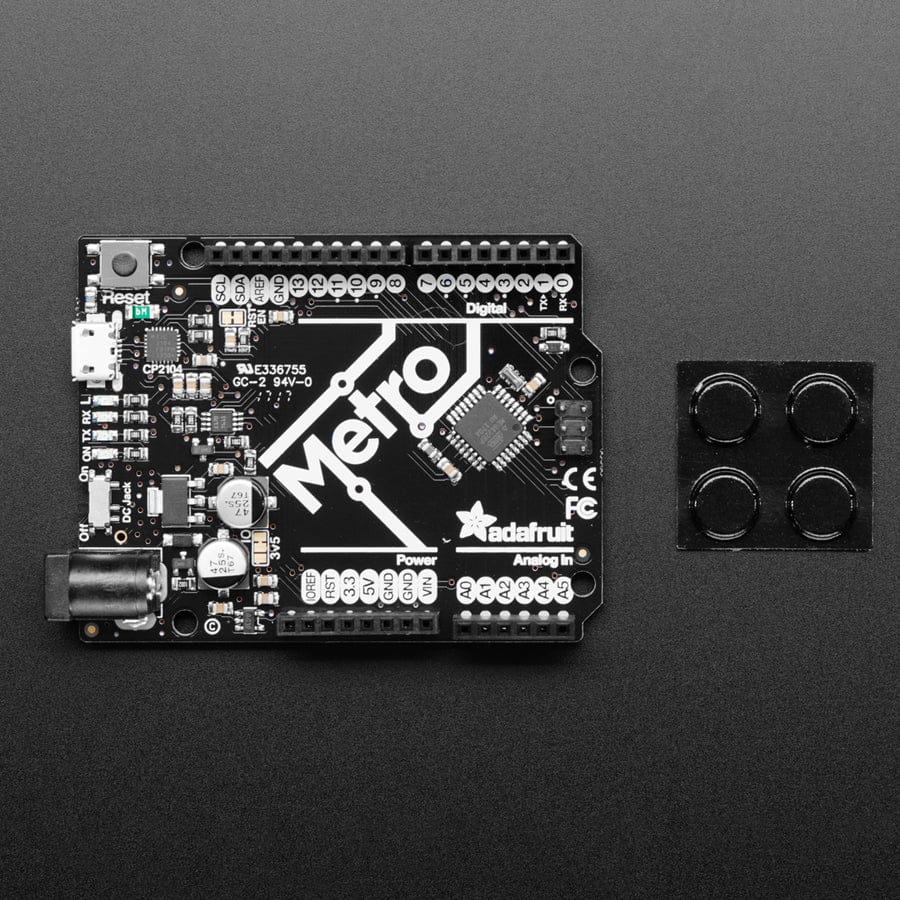
The Adafruit METRO Arduino-Compatible (with headers) is a fully assembled and tested microcontroller board with through-hole headers already fitted, ready to drop straight into your next project.
The METRO works with the Arduino IDE and is based on the ATmega328P running at 16MHz, making it shape and pin-compatible with Arduino UNO R3 shields and boards. To program it, simply select “Arduino UNO” in the Boards menu (desktop or cloud IDE).
At its core is an ATmega328P with 32KB of flash and 2KB of RAM, and it comes with the Optiboot bootloader pre-installed. It’s a great all-rounder for simple projects, with plenty of GPIO, analogue inputs, timers and PWM, plus hardware UART, SPI and I2C.
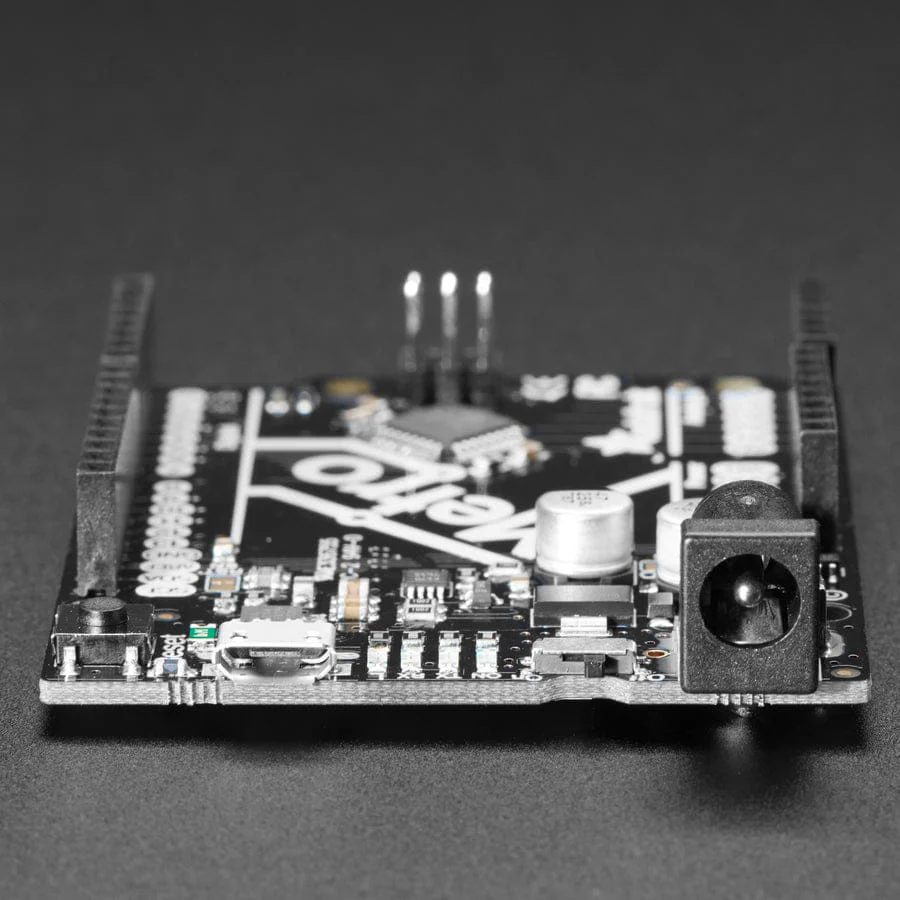
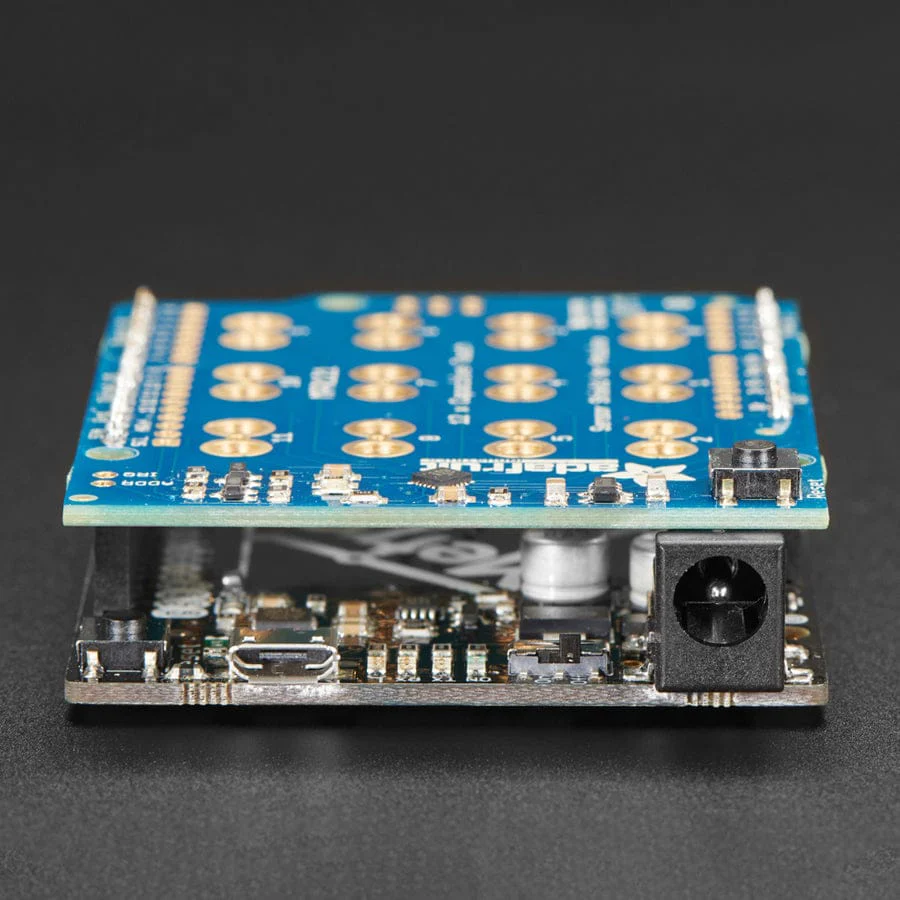
Power options include 7–9V polarity-protected DC input via the barrel jack, or micro USB from any 5V USB source. The 2.1mm DC jack includes a nearby on/off switch, and the board will automatically switch between USB and DC power.
The METRO provides 20 GPIO pins, including 6 analogue inputs, with 2 pins reserved for the USB-serial converter. It also includes 6 PWM outputs across three timers (one 16-bit and two 8-bit). Logic level is 5V, but you can convert it to 3.3V logic by cutting a jumper and soldering it closed.
A built-in USB-to-serial converter allows easy programming and serial communication, and there are four indicator LEDs for quick debugging: a green power LED, two RX/TX LEDs for UART activity, and a red LED connected to PB5. With Optiboot using only 512 bytes, you keep more space available for your own code. The board is also compatible with all Adafruit shields.
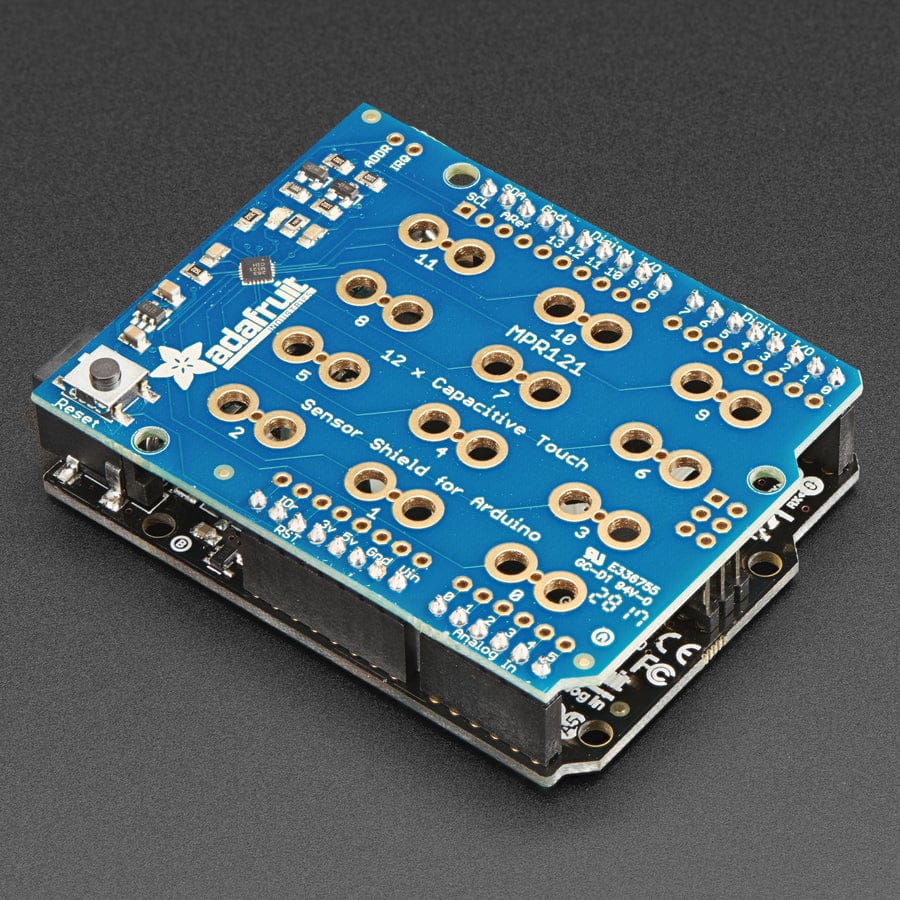
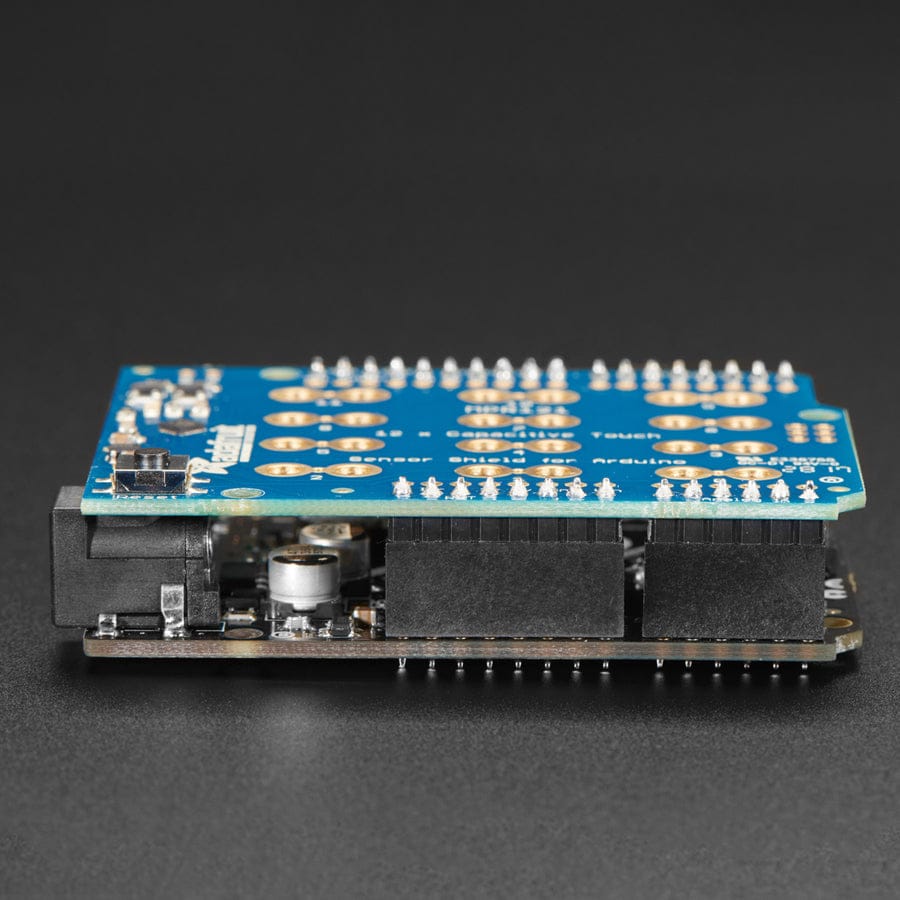
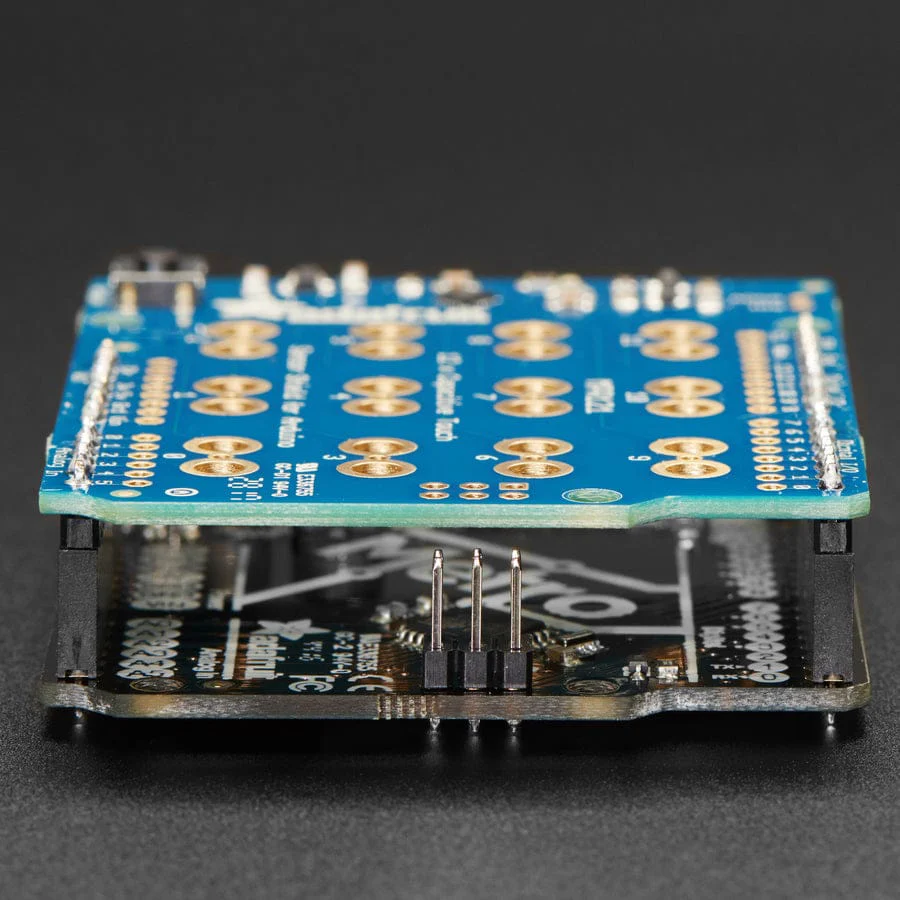
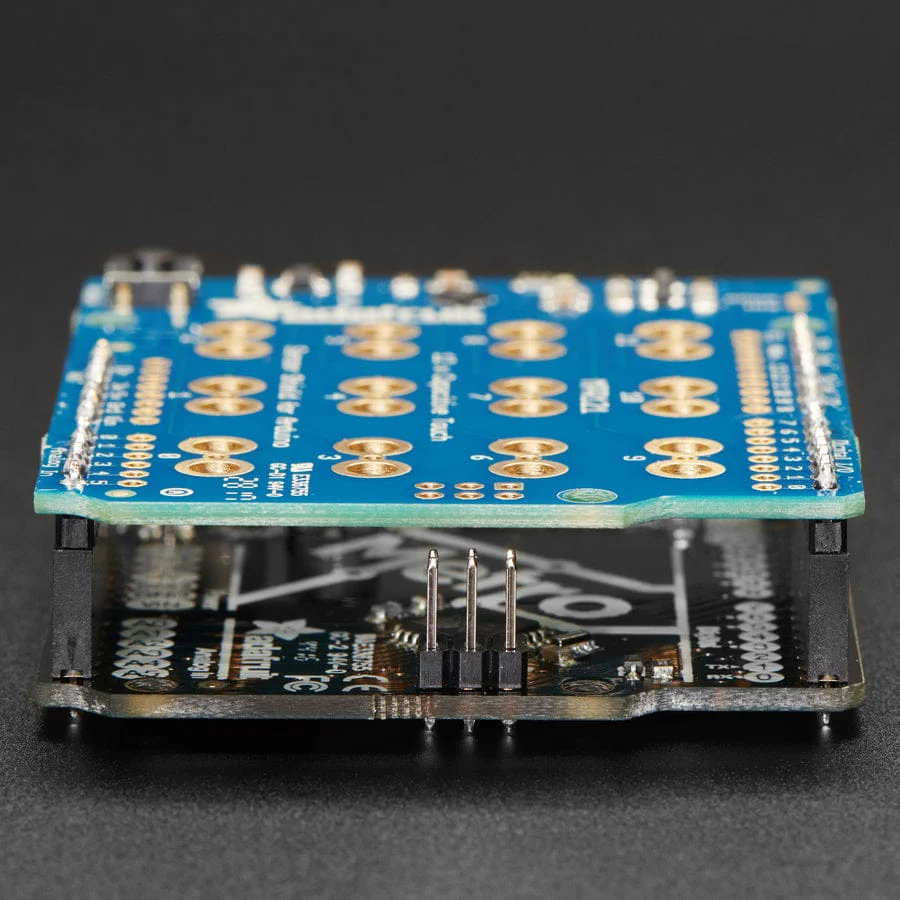
Please note that the capacitive touch shield is not included.
Features
- ATmega328 microcontroller with Optiboot (UNO) Bootloader
- USB Programming and debugging via the well-supported genuine CP2104
- Input voltage: 7-9V (a 9VDC power supply is recommended)
- 5V regulator can supply peak ~800mA as long as the die temp of the regulator does not exceed 150*C
- 3.3V regulator can supply peak ~150mA as long as the die temp of the regulator does not exceed 150*C
- 5V logic with 3.3V compatible inputs, can be converted to 3.3V logic operation
- 20 Digital I/O Pins: 6 are also PWM outputs and 6 are also Analogue Inputs
- 6-pin ICSP Header for reprogramming
- 32KB Flash Memory - 0.5K for bootloader, 31.5KB available after bootloading
- 16MHz Clock Speed
- Compatible with "Classic" and "R3" Shields
- Adafruit Black PCB with gold plate on pads
Specifications
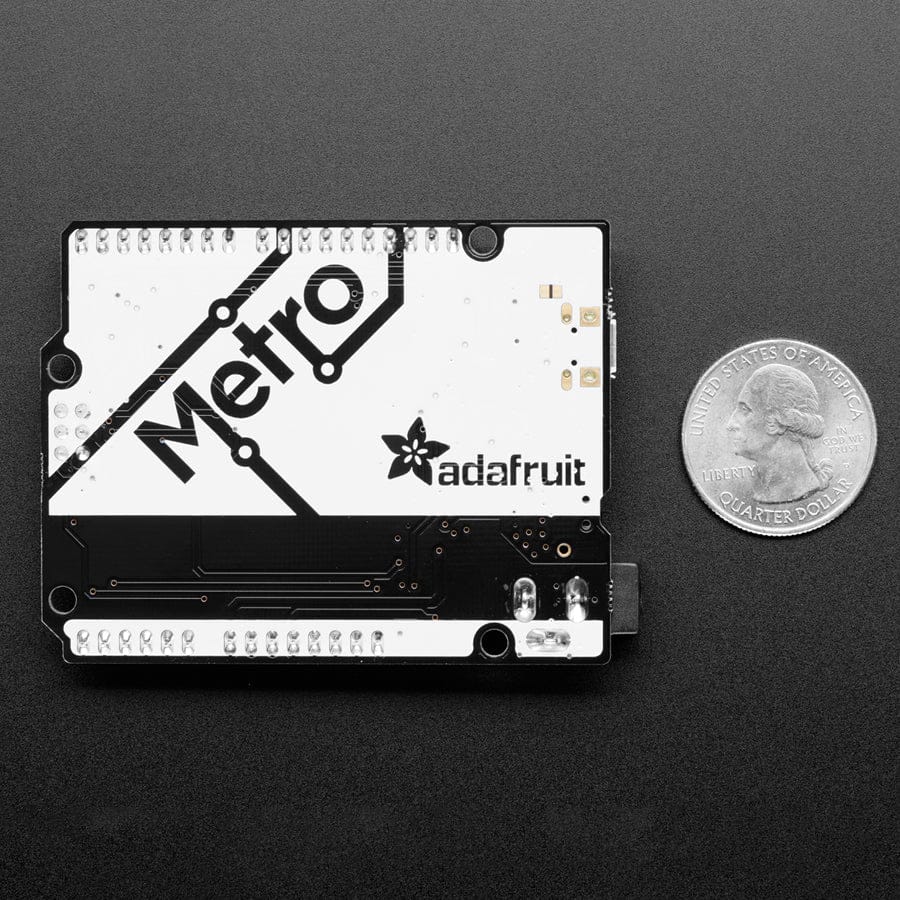
- 53mm x 71mm
- Height (w/ barrel jack): 13mm
- Weight: 19g
Revision History
- As of August 31, 2015 we have updated the Metro's headers to be slightly taller so that they are the same height as classic 'non-SMT' headers for a better shield-fit
- As of Oct 12, 2017 we now have fully thru-hole headers instead of SMT headers.
- As of March 30, 2018 we now have swapped the FTDI chip for a SiLabs CP2104
Resources
Package Contents
- 1x Adafruit METRO 328 with headers
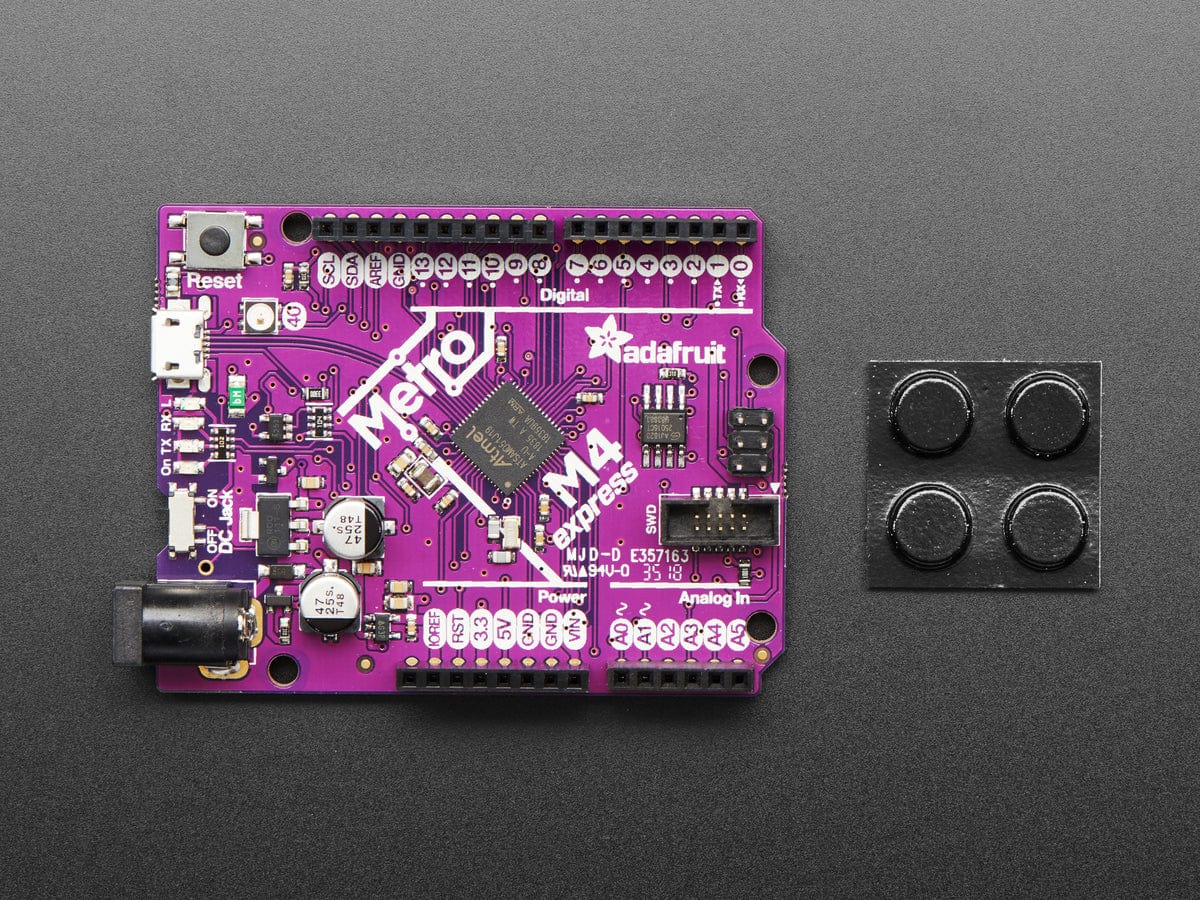
- 4x Rubber bumpers
Original: $16.80
-65%$16.80
$5.88Product Information
Product Information
Shipping & Returns
Shipping & Returns
Description
The Adafruit METRO (with headers) is an Arduino UNO R3–compatible ATmega328P board running at 16MHz with Optiboot pre-installed. Power it via micro USB or 7–9V DC, with built-in USB-serial, debugging LEDs and full shield support.
The Adafruit METRO Arduino-Compatible (with headers) is a fully assembled and tested microcontroller board with through-hole headers already fitted, ready to drop straight into your next project.
The METRO works with the Arduino IDE and is based on the ATmega328P running at 16MHz, making it shape and pin-compatible with Arduino UNO R3 shields and boards. To program it, simply select “Arduino UNO” in the Boards menu (desktop or cloud IDE).
At its core is an ATmega328P with 32KB of flash and 2KB of RAM, and it comes with the Optiboot bootloader pre-installed. It’s a great all-rounder for simple projects, with plenty of GPIO, analogue inputs, timers and PWM, plus hardware UART, SPI and I2C.
Power options include 7–9V polarity-protected DC input via the barrel jack, or micro USB from any 5V USB source. The 2.1mm DC jack includes a nearby on/off switch, and the board will automatically switch between USB and DC power.
The METRO provides 20 GPIO pins, including 6 analogue inputs, with 2 pins reserved for the USB-serial converter. It also includes 6 PWM outputs across three timers (one 16-bit and two 8-bit). Logic level is 5V, but you can convert it to 3.3V logic by cutting a jumper and soldering it closed.
A built-in USB-to-serial converter allows easy programming and serial communication, and there are four indicator LEDs for quick debugging: a green power LED, two RX/TX LEDs for UART activity, and a red LED connected to PB5. With Optiboot using only 512 bytes, you keep more space available for your own code. The board is also compatible with all Adafruit shields.
Please note that the capacitive touch shield is not included.
Features
- ATmega328 microcontroller with Optiboot (UNO) Bootloader
- USB Programming and debugging via the well-supported genuine CP2104
- Input voltage: 7-9V (a 9VDC power supply is recommended)
- 5V regulator can supply peak ~800mA as long as the die temp of the regulator does not exceed 150*C
- 3.3V regulator can supply peak ~150mA as long as the die temp of the regulator does not exceed 150*C
- 5V logic with 3.3V compatible inputs, can be converted to 3.3V logic operation
- 20 Digital I/O Pins: 6 are also PWM outputs and 6 are also Analogue Inputs
- 6-pin ICSP Header for reprogramming
- 32KB Flash Memory - 0.5K for bootloader, 31.5KB available after bootloading
- 16MHz Clock Speed
- Compatible with "Classic" and "R3" Shields
- Adafruit Black PCB with gold plate on pads
Specifications
- 53mm x 71mm
- Height (w/ barrel jack): 13mm
- Weight: 19g
Revision History
- As of August 31, 2015 we have updated the Metro's headers to be slightly taller so that they are the same height as classic 'non-SMT' headers for a better shield-fit
- As of Oct 12, 2017 we now have fully thru-hole headers instead of SMT headers.
- As of March 30, 2018 we now have swapped the FTDI chip for a SiLabs CP2104
Resources
Package Contents
- 1x Adafruit METRO 328 with headers
- 4x Rubber bumpers